Manufactured stone
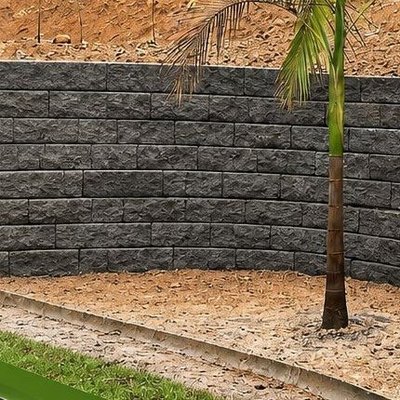
Manufactured stone veneer and architectural concrete, cast in Jacó. Matching corner pieces across every line.


Natural stone
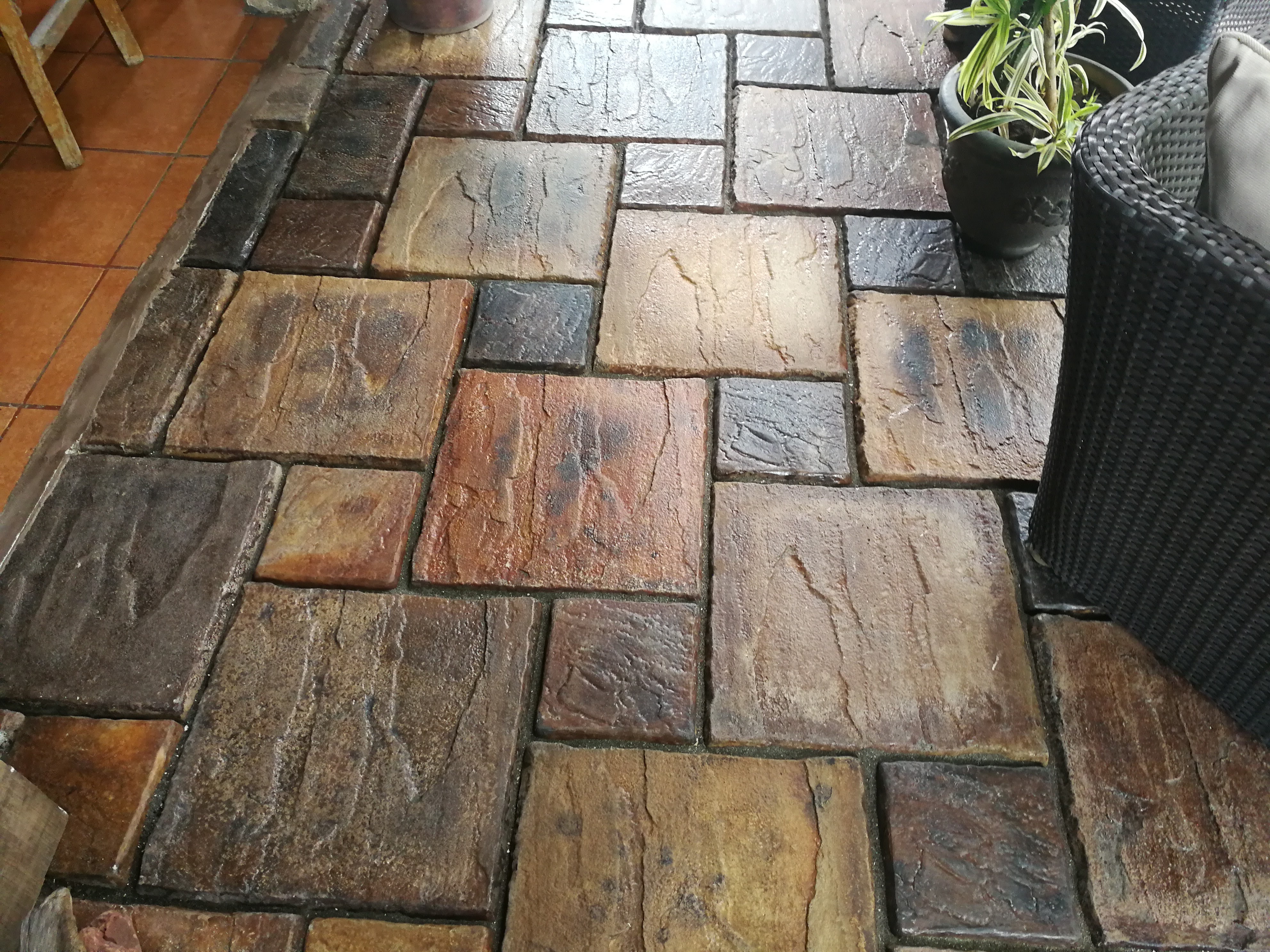
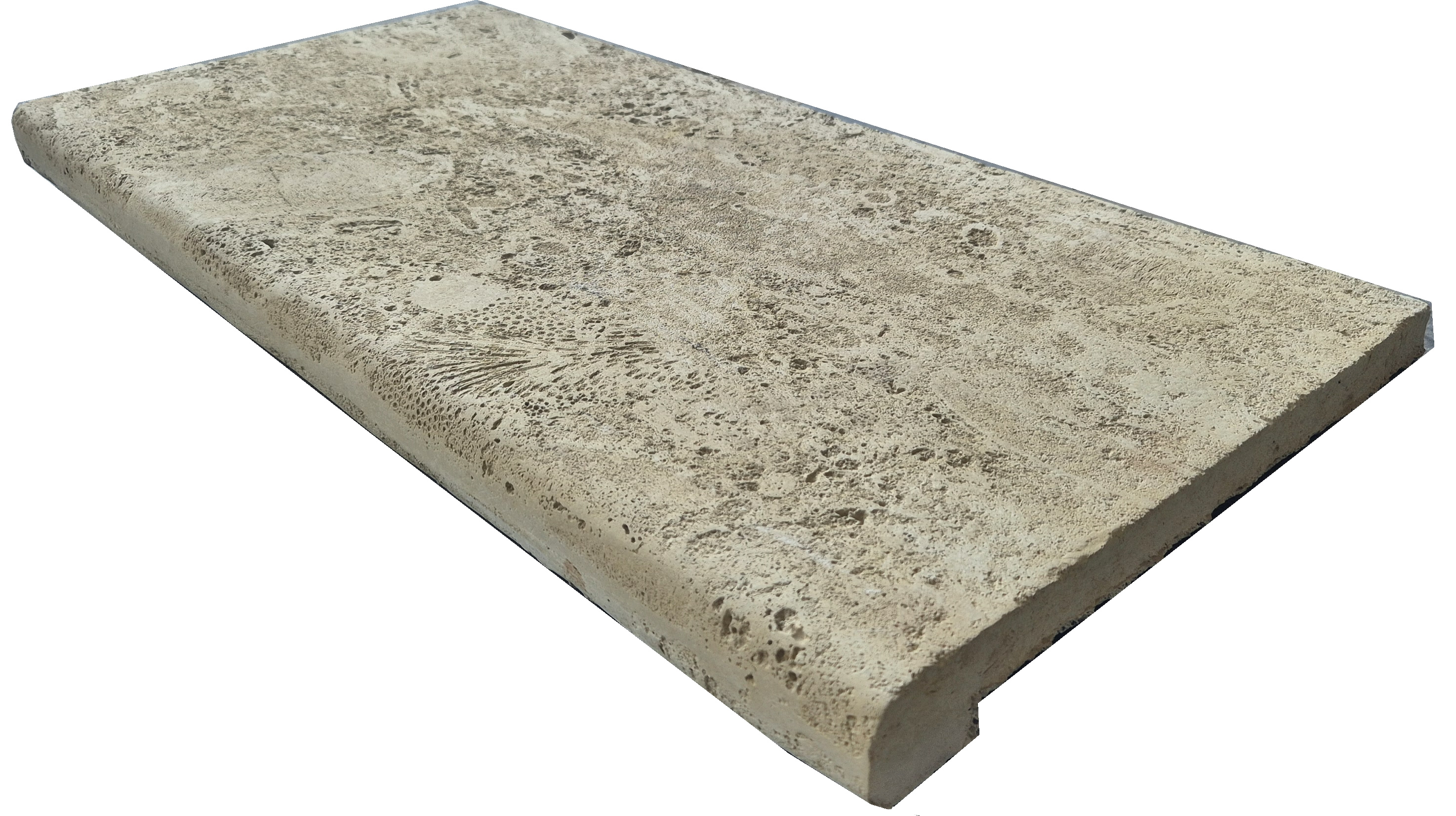
Costa Rican quarry stone cut to order: irregular, rectangular multi-use and thin veneer panels.
Manufactured stone veneer and architectural concrete, cast in Jacó. Matching corner pieces across every line.
Costa Rican quarry stone cut to order: irregular, rectangular multi-use and thin veneer panels.

Humidity is the thing that decides whether an exterior stone still looks good in five years. Here is the order, and what to do about the weak points.
1. Piedra Laja — the most resistant. Low water absorption, high mechanical strength, and the most versatile stone we supply.
2. Sánchez (volcanic) — quite resistant, best on vertical surfaces rather than floors.
3. Coralina — excellent in sun and around pools where water dries fast; high-maintenance in shade.
4. Mollejón — the most porous, and the highest maintenance of the four.
On laja and mollejón the grout takes on moisture faster than the stone. It stains sooner, and in very tight joints algae grows quickly.
The fix that saves the most maintenance: a rectangular format laid dry-stacked, with no grout at all. You can build a full stone wall this way with no problem, and there is nothing left to stain or grow.
On coralina and mollejón, use a penetrating sealer as a base, then a topping sealer over it to close the surface pores. Penetrating alone gets consumed too fast on very porous stone.
Buy quality. On mollejón a good sealer can approach the cost of the stone itself — and it is what makes the difference between a wall that lasts and one that does not. Reapply periodically.
Power-wash from a distance, lightly, at the first sign of buildup. Never aggressively, and never wait until buildup is severe — by then you need an intensive close clean, which is exactly what damages the surface.
On porous stone especially, aggressive close-range pressure lifts the sealer and opens the pores, leaving the stone worse than before. Water and a soft brush, early, is better.
Reserva Las Palmas, Jacó. Deco Rock manufactured veneer installed in August 2008 on an oceanfront tower roughly sixty metres tall — full sun, heavy rain and constant salt spray. Still in excellent condition with no maintenance at all.
That is the strongest evidence we have that a dense, engineered cast veneer survives the harshest exposure this country offers.
Piedra Laja is the most humidity-resistant, followed by Sánchez volcanic stone, then Coralina, then Mollejón, which is the most porous.
Use a wider joint or, better, a rectangular format laid dry-stacked with no grout at all. Tight joints on porous stone are where algae takes hold fastest.
A penetrating sealer as a base coat, then a good topping sealer over it to close the surface pores. Reapply periodically. Penetrating alone is consumed too quickly.
Lightly and from a distance, at the first sign of buildup. Aggressive close-range washing lifts the sealer and opens the pores on porous stone.
Yes. Ours has been on an oceanfront tower in Jacó since 2008, fully exposed to salt spray, with no maintenance.
The humidity-resistance ranking for Costa Rican natural stone, plus sealing, grout and coastal exposure advice from twenty years of real installations.
Tell us how exposed the wall is and we will recommend the stone and the sealing schedule.
Enter your wall measurements and it tells you the square metres, the linear metres of corner pieces and how many boxes that is.
Upload a photo of your wall and see the stone in place, carrying the light and shadow of your own photo.


