Deco Rock Costa Rica stone guide

Stone Guide: Everything We Know About Each Material

After more than twenty years working stone in Costa Rica, this is what we have learned about each material: where it performs, where it gives trouble, which finish suits it and how to look after it. It is the same explanation we give in the showroom.

Each stone links on to its full guide and its products. To install, see the installation guide.

Natural stone

The seven stones we work with

Ordered by humidity resistance
Piedra Laja — Deco Rock Costa Rica

Humidity #1

Piedra Laja

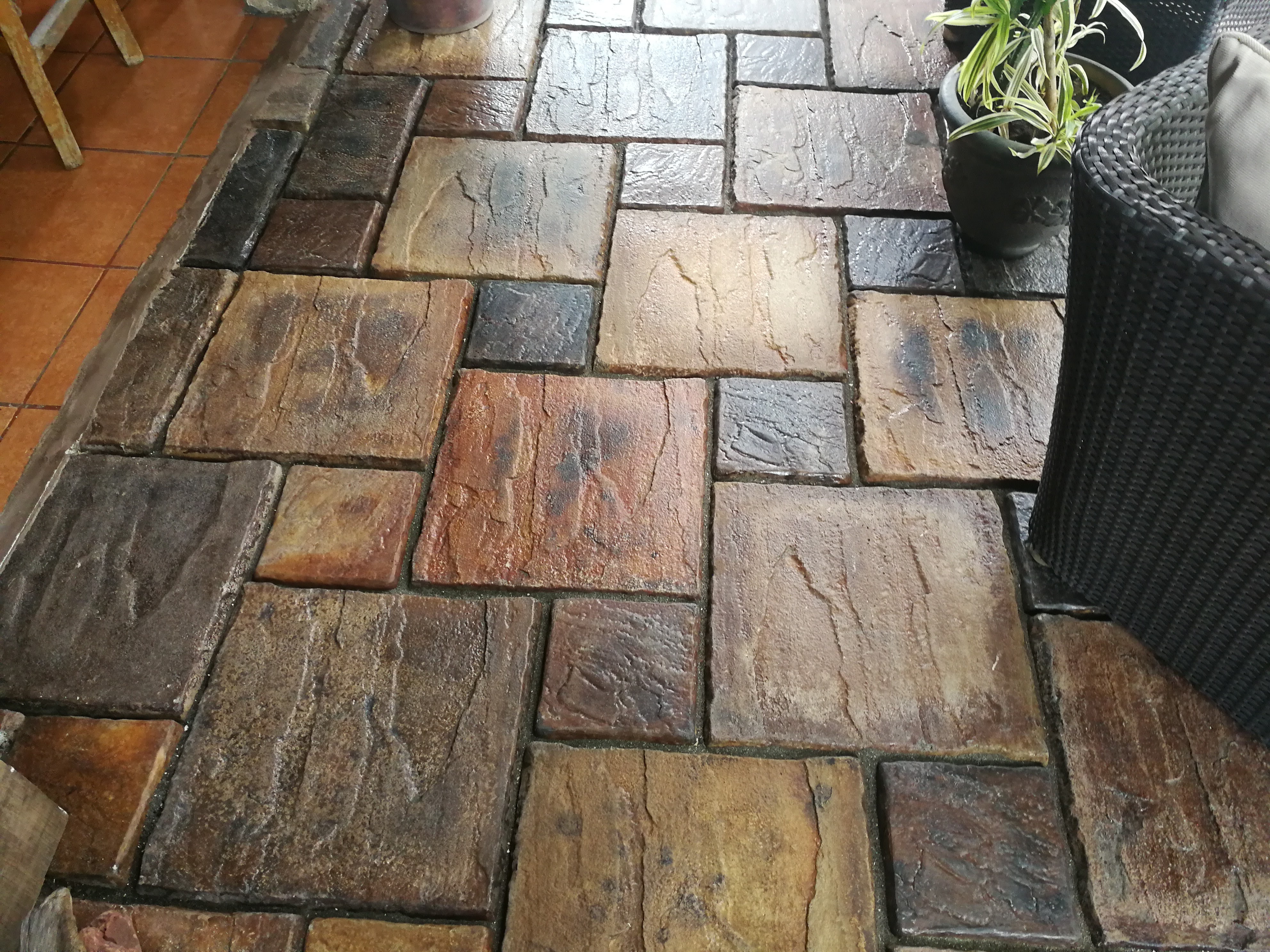
The most versatile of our natural stones and the most humidity-resistant — low water absorption, high mechanical strength.

Good for facades, walls, floors, pools and exteriors. The weak point is never the stone, it is the grout: it stains before the stone does, and in very tight joints algae takes hold fast. A rectangular format laid dry-stacked, with no grout, is usually the lowest-maintenance choice.

Colours: grey, black, white, red, jade green, two-tone, pizarra and wood-look. Formats: irregular, rectangular multi-use and thin veneer panel.

Full Piedra Laja guide · see products and get a quote

Piedra Sánchez — Deco Rock Costa Rica

Humidity #2

Piedra Sánchez

Volcanic stone, second for humidity resistance.

Performs best on vertical surfaces — facades and walls — and is less suited to floors. The finish changes it completely: rústico reads raw and volcanic, pulido reads refined and modern.

Finishes: rustic and polished. Formats: irregular, rectangular multi-use, veneer panel.

Full Piedra Sánchez guide · see products and get a quote

Coralina — Deco Rock Costa Rica

Humidity #3

Coralina

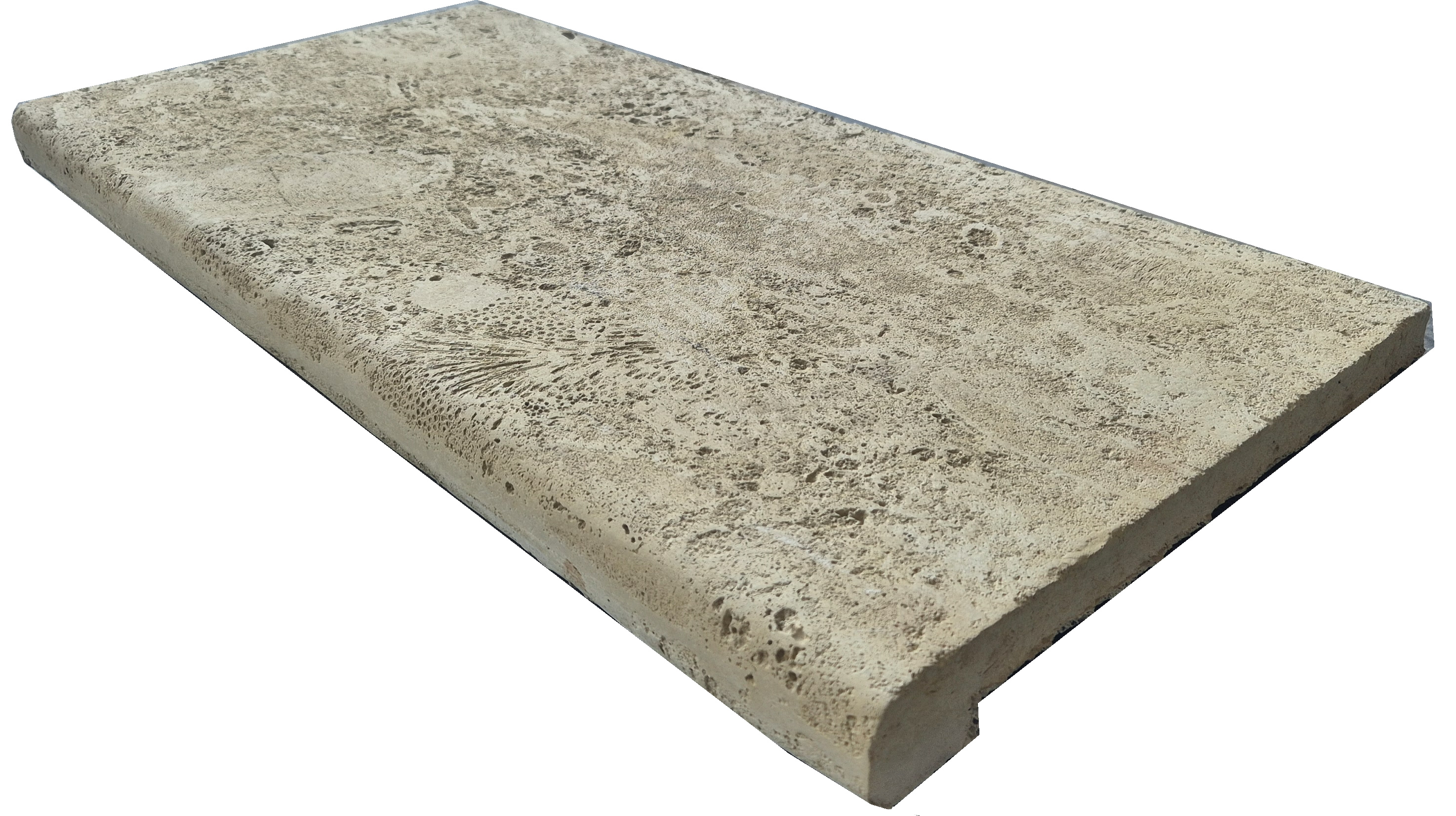
The pool stone: porous, pale, and it stays cool underfoot even in full sun.

Excellent in sunny, exposed places — pools and terraces — where water dries fast; the porosity is exactly why it does not heat up. In shade that same porosity holds moisture and mould becomes a risk. Two answers: fill the large pores with grout and grind the surface back, or use precast coralina, densified and factory-sealed. For a pool edge, use a bullnose piece.

Formats: irregular, rectangular multi-use, veneer panel, precast 30x60 and 60x30, bullnose.

Full Coralina guide · see products and get a quote

Piedra Mollejón — Deco Rock Costa Rica

Humidity #4

Piedra Mollejón

The most porous stone we carry, and the highest maintenance.

It only holds up long term with a high-quality topping sealer over a penetrating base — an investment that can approach the cost of the stone itself, and the thing that makes the difference. Best on vertical walls. It can also be ground to a fine polish and sealed, giving a high-end polished floor in rectangular format with no grout. Never pressure-wash it hard: that lifts the sealer and opens the pores.

Colours: amarillo and veteado. Finishes: rustic and polished. Formats: irregular, rectangular, veneer panel and bullnose.

Full Piedra Mollejón guide · see products and get a quote

Piedra Papa — Deco Rock Costa Rica

Decorative stone

Piedra Papa

River stone (piedra bola): rounded and water-worn, with an organic, distinctly tropical face.

Supplied in white, grey and green, natural or polished on two faces. Polishing opens up the colour and pattern inside the stone and turns a rustic garden material into something far more refined.

Uses: garden walls, planters, columns, water features and rustic facades.

Full Piedra Papa guide · see products and get a quote

Mármol Nacional — Deco Rock Costa Rica

Decorative stone

Mármol Nacional

Limestone recrystallised into marble — national marble, cut and finished to order.

Supplied in several made-to-order formats, from raw block through to rectangular marble cut to size and polished on two faces. Irregular polished marble is very widely used in bathrooms. It needs a properly prepared installation, and it rewards it.

Formats: irregular and rectangular, raw or polished, cut to size.

Full Mármol Nacional guide · see products and get a quote

Marmolina — Deco Rock Costa Rica

Decorative stone

Marmolina

Crushed white marble, as aggregate and as powder. A different product from marble slabs — it is used inside other finishes.

Terrazzo, exposed aggregate (grano lavado), gardens and decorative ground cover. The powder is a fine white marble dust for mixes, renders and finishes needing a bright white body.

Supplied as aggregate and as powder, by weight.

Full Marmolina guide · see products and get a quote

The showroom

See it on video

Stone photographs badly: it changes completely with light and with scale. This is the closest thing to standing in the Jacó showroom.

Deco Rock showroom, Jacó — the stone lines mounted on the wall, so you can see texture and colour at real scale.

Rather come in person? The showroom has every line mounted on the wall. Message us on WhatsApp at 8800-1221 and we will set it up.

Manufactured stone

The Deco Rock lines, and their grout

See all products →

Every line includes matching corner pieces and is cast in Jacó. The practical difference between them, when it comes to installing, is whether they take grout.

LineGroutCharacter
QuickFitNo groutFast install, long layered pieces.
FastFitNo groutDry-stack, built for installation speed.
ThinStoneNo groutSlim profile; new texture to Costa Rica.
FossilRockNo groutSedimentary, fossil-marked surface.
HackettGroutedIrregular pieces, the most traditional wall.
IrishStoneGroutedDeep rugged texture; new to the country.
JerusalemNo groutMediterranean limestone coursing.
Brick veneerGrout optional (recommended)Chicago, Mini Chicago, Wire Cut and Demolition.

Humidity resistance: the real order

The question we get most, and the one that decides most Costa Rican projects. Most to least resistant: 1. Piedra Laja · 2. Piedra Sánchez (volcanic) · 3. Coralina · 4. Piedra Mollejón.

That does not make the last two bad — it means they need more care and the right position. Coralina is excellent in sun and difficult in deep shade; mollejón is perfect on a well-sealed vertical wall.

The grout is the weak point, not the stone

On porous stone the grout takes on moisture before the stone does. It stains first, and in very tight joints algae grows fast in this climate.

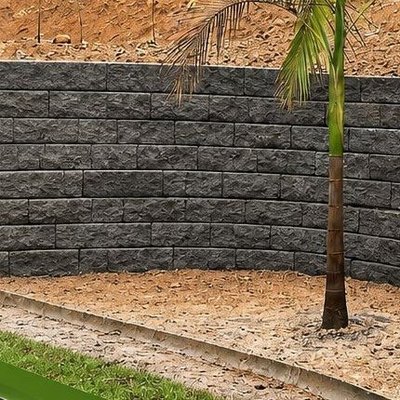
The tip that saves the most money: where the design allows, use a rectangular format laid dry-stacked, with no grout. You can build a full wall that way, and there is nothing left to stain and nowhere for algae to take hold.

Sealing: penetrating first, topping second

On coralina and mollejón, apply a penetrating sealer as the base and a topping sealer over it to close the surface pores. Penetrating alone is consumed far too quickly on very porous stone.

Buy quality: on mollejón a good sealer can approach the cost of the stone, and it is exactly what decides whether the installation still looks right in five years. Reapply periodically.

Pressure washing: early, gently, from a distance

Wash from a distance, lightly, at the first sign of buildup. Never aggressively, and never after the staining has already set in.

Waiting forces an intensive close-range clean, and on porous stone that lifts the sealer and opens the pores — leaving it worse than before. Water and a soft brush, early, goes much further.

Cost: stated plainly

In Costa Rica natural stone is cheaper upfront than our manufactured stone veneer.

Manufactured is the premium option: you pay for tone control, consistent supply, matching corner pieces and a faster install. Against paint, though, both win — repainting comes round every two to five years in this climate.

The corner advantage

With natural stone, wherever two pieces meet at a corner there is always a visible seam. It is structural and unavoidable.

Deco Rock casts matching corner pieces across the manufactured range: the wall turns the corner as one continuous piece of stone, with no break. On columns and on a single feature wall is where it shows most.

Column clad in Deco Rock manufactured stone veneer, the stone wrapping the corner as one continuous piece with no visible seam
Columns in QuickFit. The stone turns the corner with no visible seam — only matching corner pieces do that.

Go deeper

Full guides

Frequently asked questions

Which stone resists humidity best in Costa Rica?

Piedra Laja, thanks to its low water absorption and high mechanical strength. Then Piedra Sánchez (volcanic), then Coralina, and last Mollejón, which is the most porous and the highest maintenance.

Which stone is best around a pool?

Coralina. It is porous, absorbs water and stays cool underfoot even in direct sun. For the pool edge, use a bullnose piece with a rounded edge.

Is natural stone cheaper than manufactured stone veneer?

Upfront, yes. In Costa Rica natural stone is genuinely cheaper than our manufactured veneer. Manufactured is the premium option, chosen for tone control, consistent supply, matching corner pieces and faster installation.

How do I stop the grout staining or growing algae?

Where the design allows, use a rectangular format laid dry-stacked with no grout. On porous stone the grout gets dirty before the stone does, and tight joints grow algae fast.

What sealer should be used on porous stone?

A penetrating sealer as a base, then a topping sealer over it to close the surface pores. Penetrating alone is consumed too quickly. Reapply periodically.

Can stone be pressure-washed?

Yes, but from a distance, at low pressure and at the first sign of buildup. Aggressive close-range washing lifts the sealer and opens the pores, especially on coralina and mollejón.

What is the real difference between manufactured and natural stone?

Corner pieces, above all: natural stone always shows a visible seam when a wall turns a corner, and manufactured does not, because we cast matching corners. We also hold tone against an approved sample, which quarried stone cannot do.

Want help choosing?

Tell us where the stone is going and how exposed it is. We will tell you honestly which one suits it — and which does not.