Manufactured stone
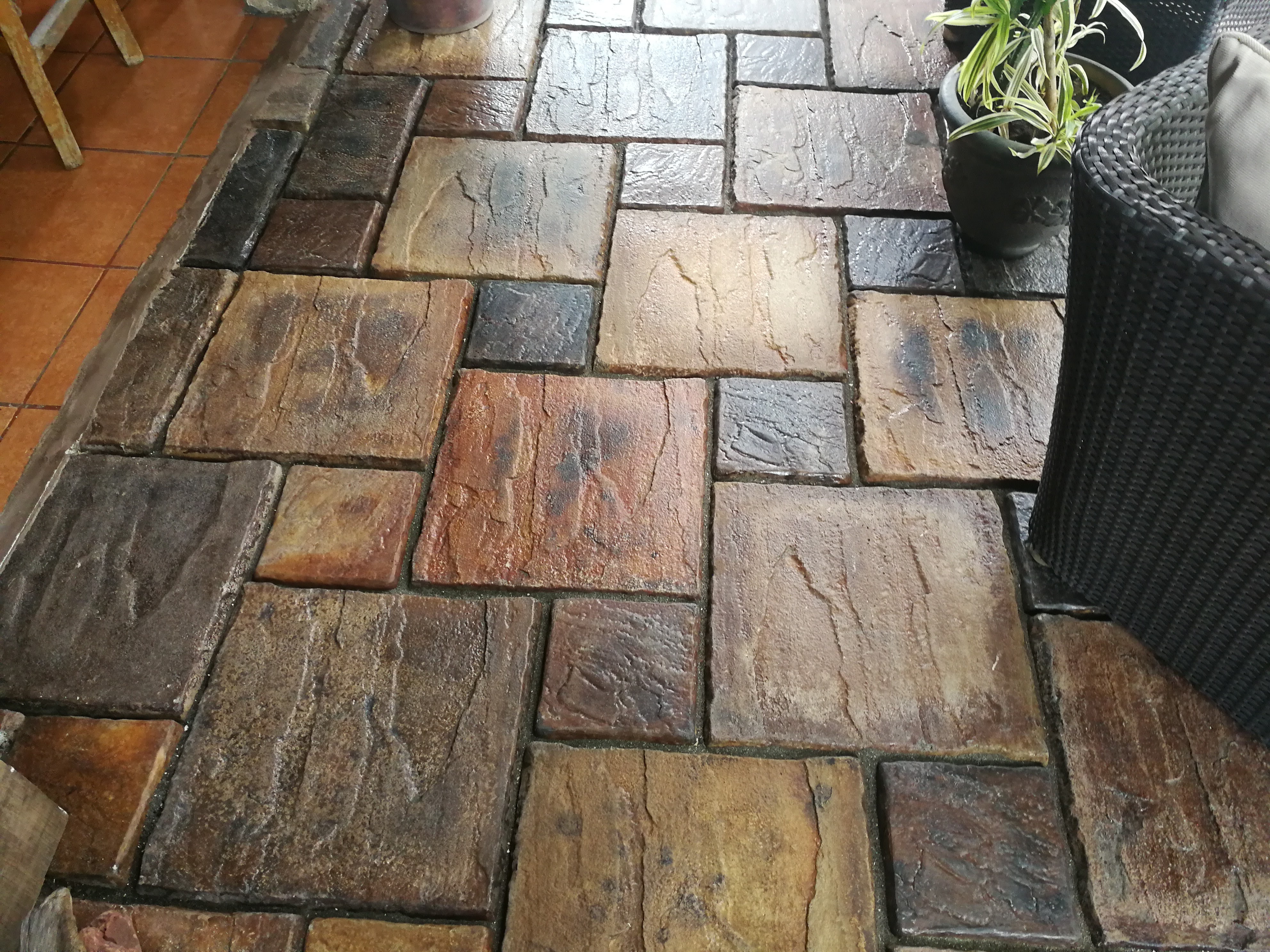
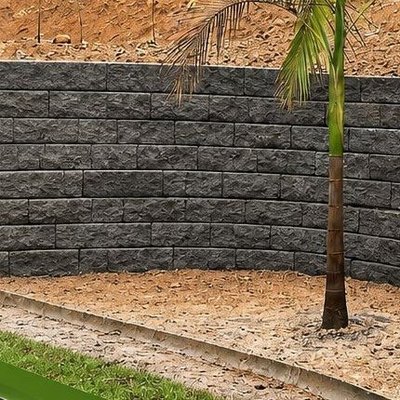
Manufactured stone veneer and architectural concrete, cast in Jacó. Matching corner pieces across every line.


Natural stone
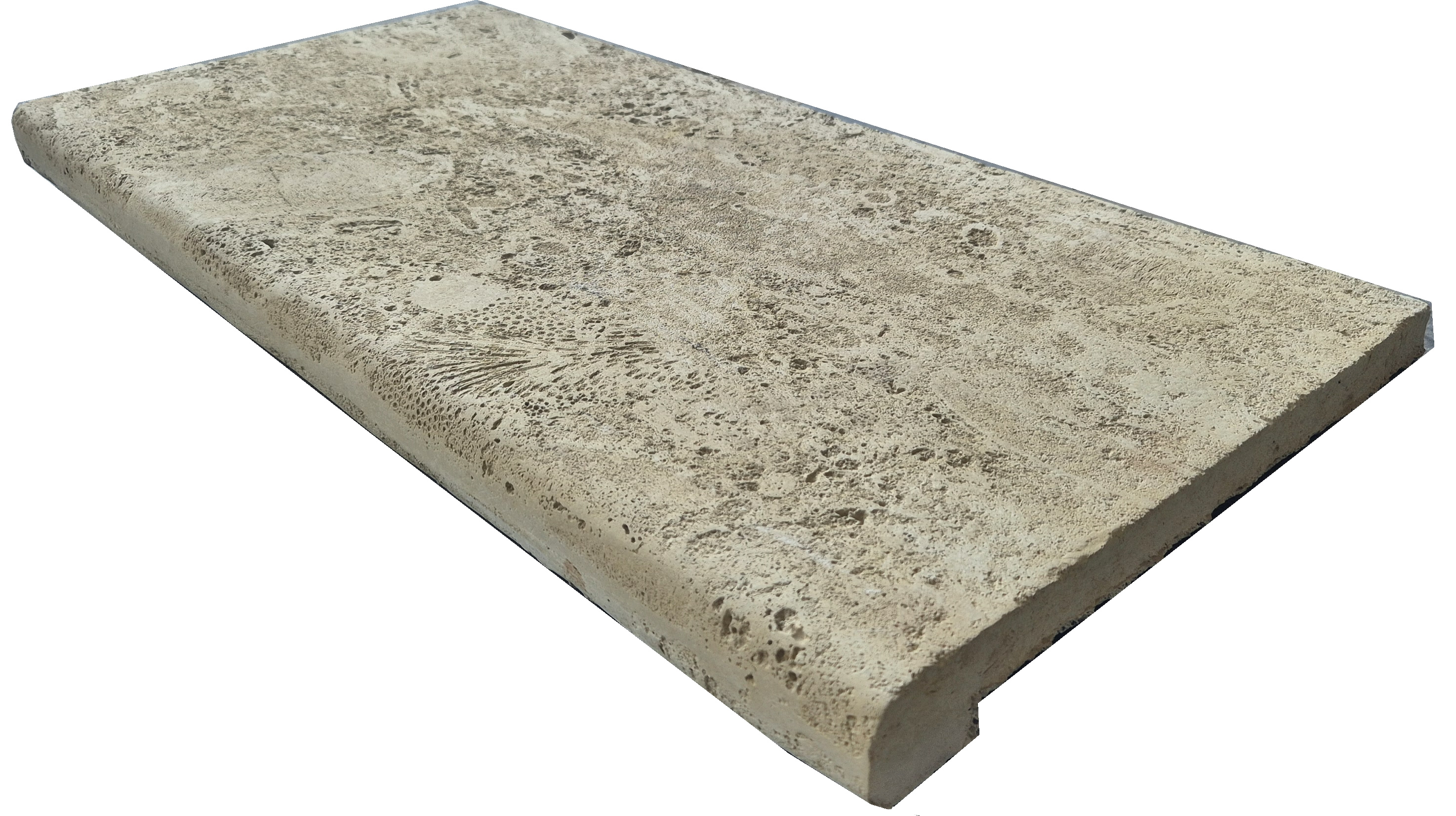
Costa Rican quarry stone cut to order: irregular, rectangular multi-use and thin veneer panels.
Manufactured stone veneer and architectural concrete, cast in Jacó. Matching corner pieces across every line.
Costa Rican quarry stone cut to order: irregular, rectangular multi-use and thin veneer panels.

Costa Rica combines sustained humidity, heavy seasonal rain, strong UV and — on both coasts — salt air. Materials specified for temperate climates are not necessarily designed for that combination.
The detail behind the cladding matters more than the cladding itself. Flashing and waterproofing details are what keep water out; the stone is a finish, not a membrane.
Among natural stones the order of humidity resistance is Piedra Laja first, then Sánchez volcanic stone, then Coralina, then Mollejón. Porous stones need sealing.
Quality inorganic pigments are what hold colour in cast products. Deco Rock veneer has colour through the body rather than on the surface, so weathering does not expose a different colour underneath.
Coastal exposure is the hardest test. Our veneer has been on an oceanfront tower at Reserva Las Palmas in Jacó since 2008 — roughly sixty metres, fully exposed to sun, rain and salt spray — and has needed no maintenance.
Standing water is what causes trouble, not rain itself. Detail so water sheds and dries: that is exactly why coralina works so well in open sun and struggles in deep shade.
Yes. It is cast dense and formulated for exterior use in this climate, and installed correctly it lasts a lifetime with no maintenance.
Piedra Laja, followed by Sánchez volcanic stone, then Coralina, then Mollejón.
Not ours — the installation at Reserva Las Palmas in Jacó has been fully exposed to salt spray since 2008 with no maintenance.
How humidity, heavy rain, UV and salt air affect exterior stone in Costa Rica, and what to specify so a facade still looks right in ten years.
WhatsApp 8800-1221 — we would rather talk it through than have you buy the wrong material.


