Manufactured stone
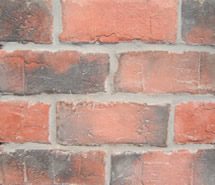
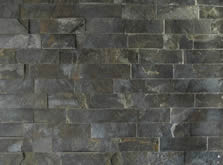
Manufactured stone veneer and architectural concrete, cast in Jacó. Matching corner pieces across every line.


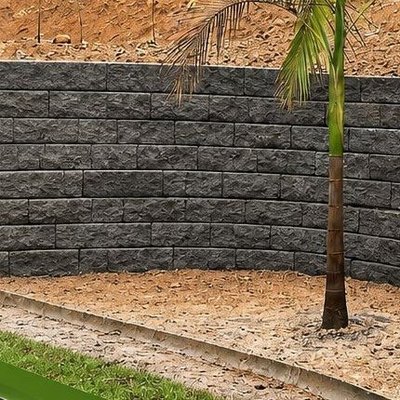
Natural stone
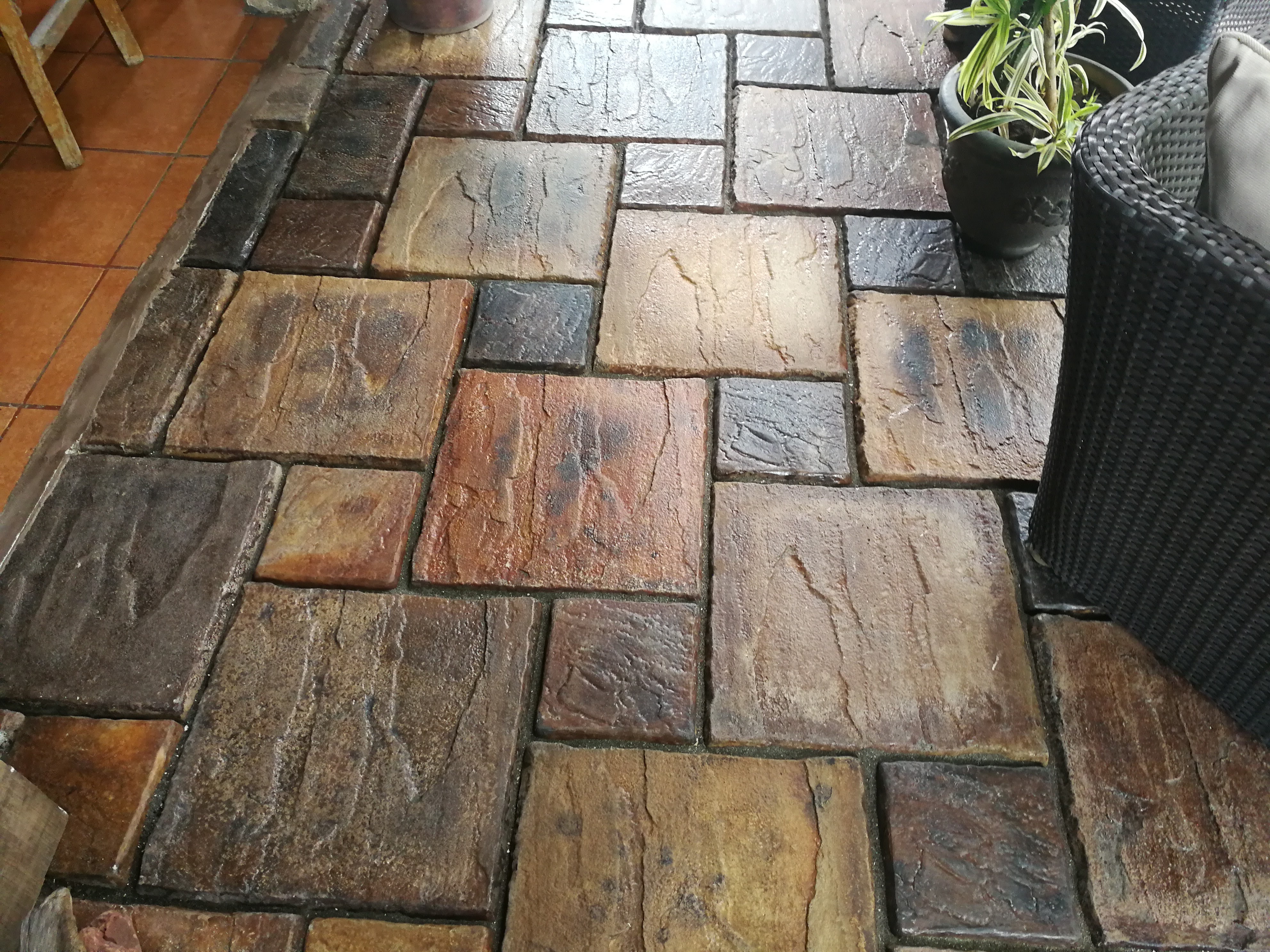
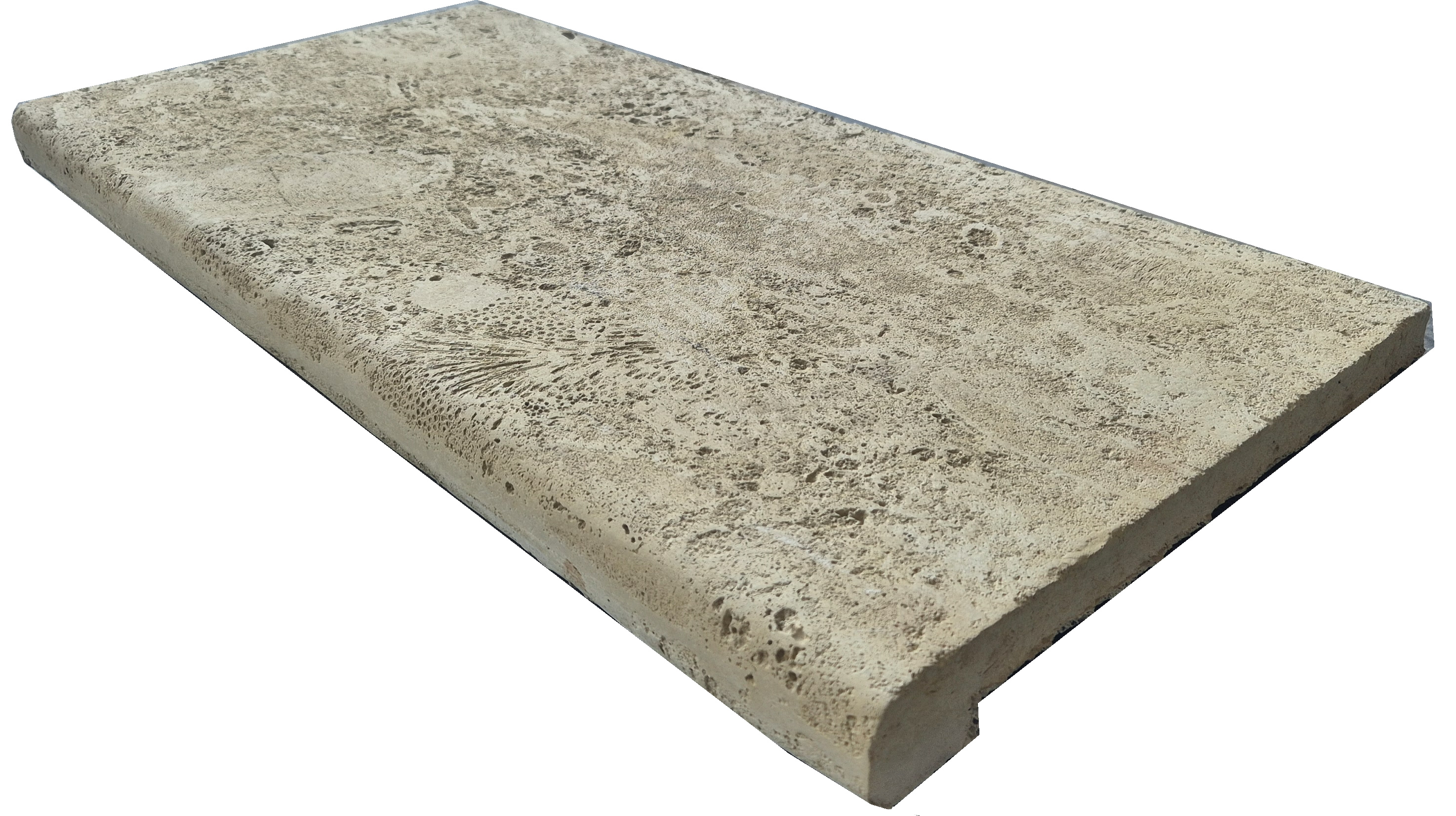
Costa Rican quarry stone cut to order: irregular, rectangular multi-use and thin veneer panels.
Manufactured stone veneer and architectural concrete, cast in Jacó. Matching corner pieces across every line.
Costa Rican quarry stone cut to order: irregular, rectangular multi-use and thin veneer panels.

This is the reference page for manufactured stone veneer — also called cultured stone — in Costa Rica: what it actually is, where it beats natural stone, where it does not, and how to specify it.
Written by the manufacturer. Deco Rock has been casting stone veneer in Jacó for over twenty years, and supplies natural stone as well — so the comparisons here are not sales copy for one side.
The full range
It is architectural concrete cast from real natural stones. Moulds are taken from genuine stones sourced from different parts of the world, so the finished piece reproduces their exact shapes, textures and colours. Deco Rock moulds and precasts here in Costa Rica.
It is not a plastic or resin product, and it is not a printed surface. It is concrete, cast dense, with the colour built in.
This is the strongest and most underused difference. With natural stone — marble or anything else — wherever two pieces meet at a corner there is always a visible seam. That is structural; it cannot be avoided.
Deco Rock casts matching corner pieces for every line. A floor-to-ceiling wall then reads as one single continuous piece of stone wrapping seamlessly around every corner, with no visible break — often more convincing than real natural stone.
It lands hardest in two places: columns, where all four corners read as one solid stone form, and single feature walls, where it lifts a whole room. The effect is strongest in modern homes where ceramic and porcelain dominate — the stone becomes the focal point.
In Costa Rica, natural stone — laja, mollejón, sánchez, sometimes locally sourced coralina — is genuinely cheaper upfront than Deco Rock manufactured veneer. That is a real cost disadvantage and we are not going to argue it away.
What manufactured buys you is control: specified tone, consistent supply, seamless corners, and faster installation. It is a premium product, not the budget option.
Against paint, though, both stone types win over time. Repainting in this climate comes round every two to five years. Cumulative repaint cost reaches the original stone install cost at roughly year five, and by year ten the stone is clearly ahead on maintenance spend. Those figures vary a lot with exposure — on high-traffic hotel corridors and entrances the advantage shows up much sooner.
No grout: QuickFit, FastFit, ThinStone, FossilRock. These install much faster than natural stone, which is placed piece by piece and depends heavily on the installer.
Grout required: Hackett and IrishStone.
Optional but recommended: the brick styles — they can be dry-stacked, but grouting avoids open gaps.
How stone reads depends enormously on light, and at night dramatic lighting across a textured surface is far more striking than the same wall by day. This applies to every stone type.
Paired with planting and pathway design, it is what turns a facade into a tropical, resort-feeling entrance.
Reserva Las Palmas, Jacó — Deco Rock veneer installed in August 2008 on an oceanfront tower roughly sixty metres tall, fully exposed to sun, rain and salt spray. Still in excellent condition, with no maintenance.
Hotel Crocs, Jacó — a beachfront tower clad to order. Over ten years in with no maintenance and no resealing. The stone covers the first six floors, which means those floors have never needed repainting.
Architectural concrete cast from moulds taken off real natural stones, reproducing their shapes, textures and colours. Deco Rock moulds and precasts it in Costa Rica, and every line includes matching corner pieces.
Yes — the two terms describe the same product. "Faux stone" and "stone cladding" are also used for it in English.
Yes. It is cast dense and engineered for sun, rain, humidity and salt air. Our oceanfront installation at Reserva Las Palmas in Jacó dates from 2008 and has needed no maintenance.
No — natural stone is cheaper upfront here. Manufactured veneer is the premium choice, bought for tone control, consistent supply, seamless corners and faster installation.
Installed correctly, it lasts a lifetime with no maintenance.
Yes. Every line has matching corner pieces cast from the same mould and batch, so corners show no seam.
What manufactured stone veneer is, how it compares to natural stone, which lines need grout, and how it performs in the Costa Rican climate. From the.
We send samples and quote by the square metre, with corner pieces priced separately.
Enter your wall measurements and it tells you the square metres, the linear metres of corner pieces and how many boxes that is.
Upload a photo of your wall and see the stone in place, carrying the light and shadow of your own photo.